


-

Add: HeBei ShengShi HongBang Cellulose Technology CO.,LTD.
-

Email
13180486930@163.com -

CONTACT US
+86 13180486930
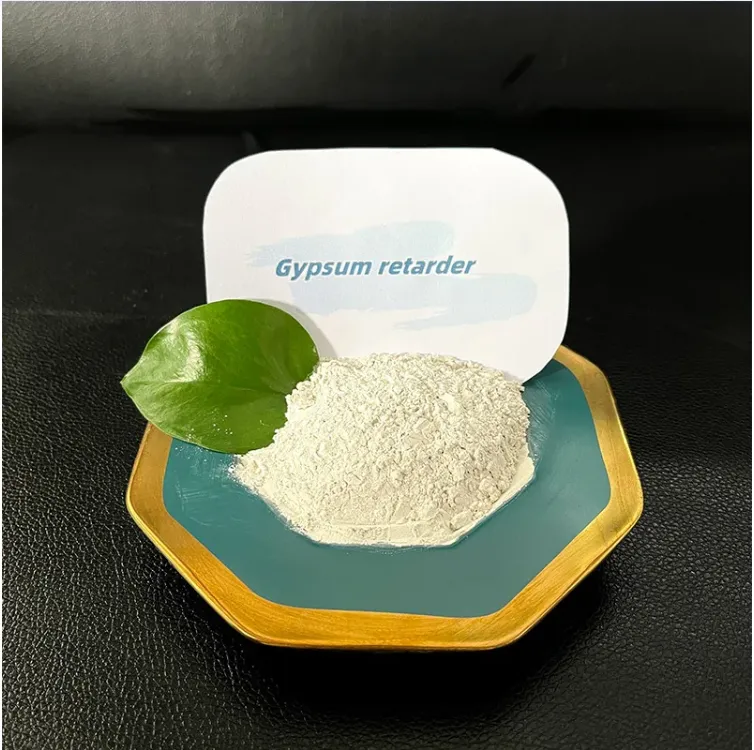




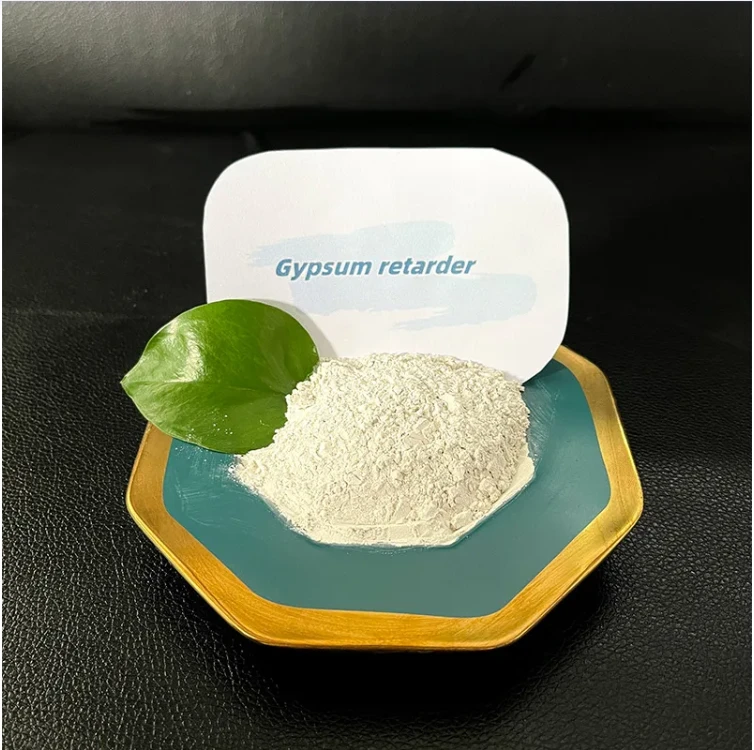
Gypsum retarder, field-tested: the tiny dose that saves your schedule If you’ve ever watched a batch of plaster stiffen just as you’re setting the bead, you already know why a plaster retarder matters. In practice, it’s the difference between frantic re-mixing and a clean, predictable finish. HeBei ShengShi HongBang Cellulose Technology CO., LTD (Room 1904, Building B, Wanda Office Building, JiaoYu Road, Xinji City, Hebei Province) makes a solid, production-grade solution simply called Gypsum retarder. I’ve used similar blends on job sites and in pilot lines; this one checks the right boxes. What it is and why it works Technically, a plaster retarder slows the hydration and crystallization of calcium sulfate hemihydrate (stucco) into dihydrate (set gypsum). Organic acid salts (think citrate/tartrate families) and refined protein modifiers adsorb on crystal nuclei, delaying growth. The result: extended working time, steadier flow, and—when dosed correctly—no real hit on final strength. Many customers say the biggest surprise is consistency from morning to late afternoon pours, despite temperature swings. Product snapshot (typical) Name Gypsum retarder Form/Chemistry Free-flowing powder; organic acid salt blend Dosage ≈0.05–0.30% by weight of gypsum (real-world use may vary) Set-time extension +20 to +120 min vs. control (ASTM C472 Vicat) pH (1% sol.) ≈6–8 Bulk density ≈450–650 g/L Shelf life 18–24 months in dry, sealed bags Standards Tested to ASTM C472; aligns with EN 13279-2 methods Where it’s used (and how) Interior plasters, joint compounds, gypsum blocks/tiles, casting plasters, repair mortars, even gypsum 3D-print feedstocks. Typical method: dry-blend into powder formulation or premix in gauging water; mix 2–3 minutes for uniformity. Process flow: raw gypsum selection → calcination → blending (fillers, polymers, plaster retarder ) → QC tests (Vicat set, flow cone, compressive strength) → bagging. Testing standards: ASTM C472 (set/consistency), EN 13279-2 (workability/strength). Some buyers also look for ISO 9001 quality systems. Service life in application: extended open time 20–90 minutes, depending on climate and dosage. Quick field data from recent plant trials: at 0.12% dosage, initial set moved from 12 to 52 minutes; compressive strength at 7 days retained 95% of control; water demand rose ≈1.5%. Honestly, that’s right in the sweet spot—usable pot life without mushy edges. Vendor comparison (indicative) Vendor/Type Typical dosage Strength retention Notes SSH-BHPMC Gypsum retarder 0.08–0.20% ≈92–98% Balanced set control; stable in warm climates Generic citrate-based 0.10–0.30% ≈90–96% Economical; may need defoamer Legacy protein-based 0.20–0.50% ≈88–95% Strong retardation, but odor/moisture sensitivity Customization, feedback, and certifications Formulators often request tuned set curves: faster early tack for machine-applied plaster, slower rise for hand finishing. SSH-BHPMC offers custom blends and supports plant trials—helpful, because real sand gradation and ambient humidity always push back. Contractors we spoke with liked the “predictable mornings” (their phrase), and a prefab panel line in Southeast Asia reported a 7% rework drop after switching dosing from 0.18% to 0.14% with tighter QC. Documentation commonly provided: SDS, technical data sheet; quality systems aligned with ISO 9001; testing per ASTM C472/EN 13279-2. Advantages you actually notice Cleaner edges and longer trowel time, without gummy overrun. Reduced cold-joint risk across large wall pulls. Stable performance across seasons—surprisingly forgiving in summer. Fine-tunable dosing; plays well with HPMC, starch ether, and defoamers. Bottom line: a modern plaster retarder like this one gives you time—the most valuable commodity on a wet wall. Start at 0.10% in temperate weather, validate with ASTM C472 in-house, and nudge by ±0.02% until your crews say, “Don’t touch it.” To be honest, that’s usually the best KPI you’ll get. Authoritative citations ASTM C472: Standard Test Methods for Physical Testing of Gypsum, Gypsum Plasters and Gypsum Concrete. EN 13279-2: Gypsum binders and gypsum plasters – Test methods. ISO 9001:2015 Quality management systems – Requirements. ECHA Guidance on Registration under REACH (re: additives in mixtures), European Chemicals Agency.
- 40000tons

Production
- 20+years

Experience
- 5000+㎡

Acreage

-
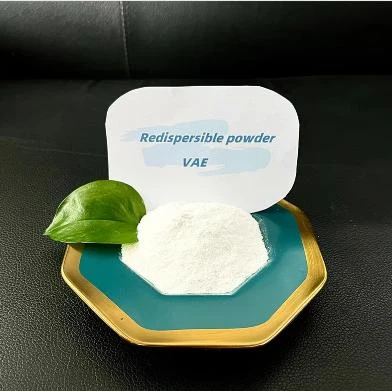
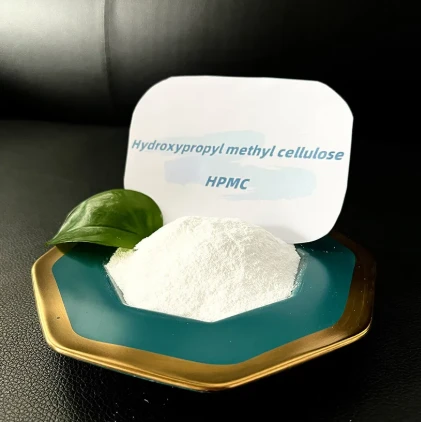
In the construction world, performance and durability are top priorities. Hydroxypropyl methylcellulose (HPMC) has emerged as an innovative solution that greatly enhances the quality of building materials. Its versatility and outstanding properties make it a vital ingredient for construction professionals worldwide. This article delves into the key physical and chemical properties of HPMC, its role as a building materials additive, and its specific applications in cement-based materials. The Physical and Chemical Marvels of Hydroxypropyl Methylcellulose The performance of hydroxypropyl methylcellulose is largely attributed to its unique physical and chemical properties. HPMC is a non-ionic, water-soluble polymer derived from cellulose. Its molecular structure allows it to function as a thickener, stabilizer, and film-forming agent. One of its standout features is its ability to retain water, which is crucial for achieving the desired consistency and longevity in building materials. This product also boasts exceptional thermal stability and pH tolerance, allowing it to perform effectively across various construction scenarios. It remains stable even in high-temperature applications, making it ideal for cement-based systems. These attributes highlight why many industry leaders turn to a trusted hydroxypropylmethylcellulose supplier for high-quality solutions that meet stringent construction standards. Transforming Building Materials with Hydroxypropyl Methylcellulose Additives When added to building materials, hydroxypropyl methylcellulose plays a transformative role in enhancing workability, durability, and performance. It improves the adhesion and cohesion of cement, ensuring mixtures retain their integrity during application and after curing. In wall putties, for example, hydroxypropyl methylcellulose in wall putty ensures the perfect balance of viscosity and spreadability. It helps eliminate sagging and cracking, guaranteeing smooth and stable finishes that can withstand the test of time. As an additive, HPMC ensures uniform distribution of water in cement-based products, enabling consistent setting and hardening across applications. Builders who rely on this product understand its ability to facilitate easier handling and application of materials, ultimately leading to a superior finished product. If you’re looking to elevate the quality of your construction output, it’s essential to buy hydroxypropyl methylcellulose from a trusted source. Hydroxypropyl Methylcellulose in Cement Applications The specific role of hydroxypropyl methylcellulose in cement formulations is a testament to its versatility. In cement-based systems, HPMC acts as both a water-retention agent and a viscosity modifier. This ensures that the cement slurry maintains the right consistency during application, preventing undesirable effects like bleeding and segregation. Moreover, HPMC extends the open time of mortars and renders, giving workers sufficient time to adjust materials to their optimal positioning. Its water-retention property ensures uniform hydration of cement particles, which not only improves the strength but also enhances the final appearance of structures. In applications such as tile adhesives, HPMC ensures superior adhesion and stability, preventing tiles from detaching over time. Many construction professionals rely on HPMC to achieve optimal results in cementitious products and prefer working with a reputable hydroxypropylmethylcellulose supplier for consistent quality. Hydroxypropyl Methylcellulose : Unmatched Versatility Across Construction Applications The applications of hydroxypropyl methylcellulose extend far beyond wall putties and cement. Its unique properties make it an integral component in a wide array of construction products. From rendering and joint compounds to adhesives and plaster, HPMC enhances product performance and application efficiency. For manufacturers, choosing to buy hydroxypropyl methylcellulose opens doors to versatile solutions tailored for modern construction needs. This additive not only improves the mechanical properties of building materials but also ensures they stand up to environmental challenges such as temperature fluctuations and moisture exposure. Experience Excellence with Hydroxypropyl Methylcellulose Hydroxypropyl methylcellulose has become the go-to additive for achieving excellence in construction materials. Its unmatched physical and chemical properties, combined with its ability to enhance workability and durability, make it indispensable for any project. Choosing the right hydroxypropylmethylcellulose supplier ensures access to high-performance materials that meet and exceed industry standards. Whether you’re looking to improve the properties of cement, wall putties, or other construction materials, HPMC is your key to creating resilient, efficient, and long-lasting structures. Embrace the possibilities of hydroxypropyl methylcellulose today and see the difference it makes in your projects!
-
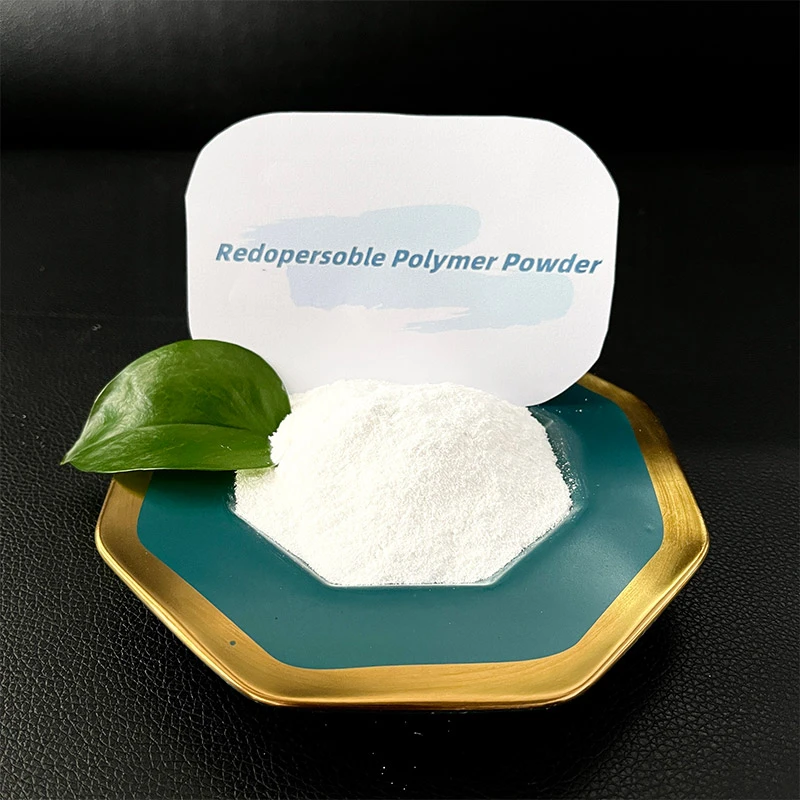
Is HPMC Soluble in Water? Hydroxypropyl Methylcellulose (HPMC) is a widely used cellulose ether that has garnered significant attention in various industries, particularly in pharmaceuticals, food, and construction materials. One of the pivotal characteristics of HPMC is its solubility in water, which plays a crucial role in its applications. Understanding whether HPMC is soluble in water leads us to explore its properties, uses, and the implications of its solubility. HPMC is a modified form of cellulose, which is derived from wood pulp or plant fibers. The modification involves the substitution of hydroxyl groups on the cellulose backbone with hydroxypropyl and methoxy groups. This alteration not only enhances its solubility in water but also provides HPMC with unique properties such as thickening, binding, and film-forming capabilities. Due to these characteristics, HPMC has become a preferred choice in numerous formulations. Is HPMC Soluble in Water? The solubility of HPMC is crucial in the pharmaceutical industry, where it is often used as a controlled-release agent in tablets and capsules. It ensures that the active pharmaceutical ingredients are released in a controlled manner, enhancing the efficacy of the medication. Additionally, HPMC is utilized as a binder and film-forming agent, contributing to the stability and integrity of the dosage forms. The ability of HPMC to form gels upon dissolution in water is particularly beneficial in creating sustained-release formulations, which improve patient compliance and therapeutic outcomes. is hpmc soluble in water In the food industry, HPMC serves as a food additive and is commonly found in products such as sauces, salad dressings, and baked goods. Its water solubility allows it to act as a thickener and stabilizer, enhancing the texture and mouthfeel of food products. Because it is non-toxic and has a good safety profile, HPMC is deemed suitable for various food applications. The construction industry also benefits from HPMC, where it is used as an additive in cement, mortar, and plaster. When mixed with water, it helps improve the workability and adhesion properties of these materials. The solubility of HPMC in water allows it to disperse evenly within the mixture, contributing to a smoother application and better overall performance. Despite its numerous advantages, it is important to respect the recommended usage levels and conditions when incorporating HPMC in various formulations. The concentration can significantly impact the viscosity and performance, and excessive use may lead to undesired effects, such as excessive thickening or changes in texture. In conclusion, HPMC is indeed soluble in water, which is a key characteristic that makes it invaluable across multiple industries. Its solubility underpins its functionality in pharmaceuticals, foods, and construction materials, allowing for enhanced performance and consumer satisfaction. As research continues and more applications for HPMC are discovered, its role as a versatile and effective component in various formulations is likely to grow, driven by its unique properties and wide-ranging benefits. Understanding the solubility and behavior of HPMC in water not only helps in optimizing its applications but also highlights its role in modern product development and innovation.
advantages
-

200000 Viscosities
Excellent product
We can produce pure products up to 200,000 viscosities
-

40000 tons
High yield
We don’t stop production all year round, and the annual output can reach 40,000 tons
-

24 hours
Quality service
We provide 24-hours online reception service, welcome to consult at any time
———— Inquiry Form
Schedule A services

-
 synthetic_polypropylene_fiber
Oct . 25, 2025
Hydroxypropyl methylcellulose (HPMC) polymer is increasingly capturing the attention of researchers, -
 serat_polipropilen_untuk_screed
Oct . 25, 2025
HPMC Monograph Your Comprehensive Guide to Understanding Hydroxypropyl Methylcellulose in Product Fo -
 pemasok_hidroksipropilmetilselulosa
Oct . 25, 2025
Unlocking the Potential of HPMC A Comprehensive Guide to Finding Quality HPMC for Sale Exploring the


